
The text emphasizes the critical importance of precision and cultural sensitivity when translating UK Risk Assessment Reports (RARs) into other languages. It outlines that professional UK translation services must go beyond simple word-for-word translations to ensure that idiomatic expressions, units of measurement, and legal references are accurately adapted to the target audience's cultural context. The integration of advanced machine translation with human expertise has become a game-changer in maintaining consistency and accuracy in these translations, facilitated by translation memory systems and consistent terminology. This approach ensures that stakeholders can make informed decisions based on the reliability and effectiveness of the risk information conveyed across different languages. The use of UK translation services, particularly those skilled in regulatory documents, has proven to be indispensable, as seen in instances where it led to rapid product approval by foreign authorities and significantly shortened the time-to-market for global enterprises.
Navigating the complexities of risk evaluation is a critical aspect of UK operations, where accuracy and clarity are paramount. As businesses expand globally, the translation of Risk Assessment Reports becomes an integral function, ensuring that stakeholders across different linguistic landscapes can make informed decisions. This article delves into the nuances of translating these reports, emphasizing the role of UK translation services in providing precise and technically sound documents. We will explore key considerations for maintaining clarity in translations, common pitfalls to avoid, and the significant impact of cultural nuances. Furthermore, we will examine strategies that leverage technology for consistent multilingual risk assessments, culminating in case studies that underscore the importance of effective communication in a global context.
- Understanding the Role of Risk Assessment Reports in UK Operations
- The Importance of Accurate Translations in Risk Evaluation
- Key Considerations for Translating Risk Assessment Documents
- Overview of UK Translation Services Specializing in Technical Documents
- Strategies for Ensuring Clarity and Precision in Translated Reports
- Common Pitfalls to Avoid When Translating Risk Assessment Documents
- The Impact of Cultural Nuances on Risk Evaluation Translations
- Leveraging Technology for Consistency in Multilingual Risk Assessments
- Case Studies: Successful Risk Assessment Report Translations and Their Outcomes
Understanding the Role of Risk Assessment Reports in UK Operations
In UK operations, Risk Assessment Reports play a pivotal role in safeguarding assets and personnel by identifying potential hazards and devising mitigation strategies. These meticulously crafted documents serve as a vital guide for decision-making processes, ensuring that all necessary precautions are taken to prevent incidents. As such, they require precise language and clear communication to be effective across different operations, which necessitates the expertise of professional UK translation services. Accurate translations of these reports ensure that the nuances and specifics of risk evaluations are preserved, allowing for consistent safety standards to be maintained irrespective of the target language. This is particularly crucial in international contexts where local regulations and cultural factors must be considered alongside the original content’s meaning. By leveraging the skills of seasoned UK translation services, businesses can navigate these complexities with confidence, knowing that their risk assessments are accurately conveyed to all stakeholders involved.
The Importance of Accurate Translations in Risk Evaluation

Precision in risk assessment reports is paramount, especially when these documents undergo translation for audiences beyond the United Kingdom. The accuracy of translated UK risk evaluation documents directly impacts the decision-making process, which can have significant implications for safety, compliance, and operational efficiency. UK translation services that specialize in technical and industry-specific translations are instrumental in ensuring that the original content’s nuances and details are faithfully conveyed in the target language. This is crucial because misinterpretation or mistranslation of risk information can lead to serious consequences, ranging from minor inconveniences to major catastrophes. Therefore, it is imperative to engage services with expertise in both the source and target languages, as well as a deep understanding of industry-specific terminology to guarantee the integrity of risk assessment reports when they are translated into other languages. This not only safeguards the intended message but also upholds professional standards and legal requirements, ensuring that all stakeholders have access to accurate, clear, and actionable information for informed decision-making.
Key Considerations for Translating Risk Assessment Documents
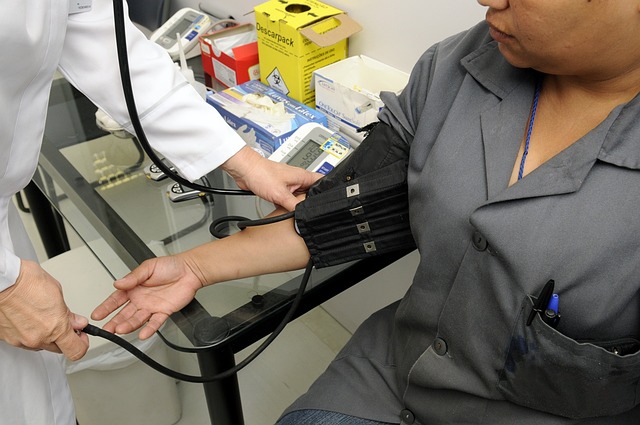
When translating risk assessment reports from UK origins to other languages, precision and accuracy are paramount. The nuances inherent in language mean that a direct translation may not convey the intended meaning or the level of risk accurately. Translators must be adept at capturing the context and technical terminology unique to risk assessment documents, which often involve precise quantification of hazards, detailed descriptions of potential incidents, and clear guidelines for mitigation. This is where UK translation services excel, providing professionals who are not only fluent in both the source and target languages but also well-versed in the regulatory framework governing risk assessments. These experts ensure that every term, figure, and instruction maintains its original meaning, thereby allowing stakeholders to make informed decisions based on the translated documents.
The translation of risk assessment reports requires a thorough understanding of both the language and the subject matter. It is crucial for UK translation services to employ translators with specialized knowledge in the field relevant to the document, as this specialization ensures that the translation reflects the true nature of the risks being assessed. Furthermore, these translators must stay abreast of any changes in legislation or regulatory standards that could affect how risks are described and evaluated. By adhering to these considerations, UK translation services can deliver translations that are not only linguistically accurate but also technically sound, thereby facilitating the safe operation of multinational organizations.
Overview of UK Translation Services Specializing in Technical Documents

UK translation services play a pivotal role in ensuring that risk assessment reports are accurately and clearly conveyed across different languages, which is particularly crucial for technical documents that demand precision and expertise. These services are adept at navigating the complexities inherent in translating high-stakes content, where accuracy can significantly impact safety, regulatory compliance, and operational efficiency. Specialists within these translation agencies undergo rigorous training to master both the linguistic nuances and industry-specific terminology required for risk assessment documentation. This specialization ensures that the translated documents reflect the original text’s intent with meticulous attention to detail, enabling stakeholders to make informed decisions without language barriers impeding their understanding.
The UK’s translation services for technical documents, particularly those specializing in risk assessment reports, are supported by a robust framework of quality assurance processes and a deep understanding of the subject matter. These services employ skilled linguists who often have backgrounds or certifications in fields related to health, safety, engineering, and science. This expertise allows them to handle complex concepts, jargon, and data that are typical in risk assessment reports. By leveraging advanced translation technology and human expertise, these UK translation services can deliver precise translations that uphold the integrity of the original documents, facilitating their use on a global scale for multinational corporations, regulatory bodies, and other entities where risk evaluation is paramount.
Strategies for Ensuring Clarity and Precision in Translated Reports

When undertaking risk assessment reports in the UK, precision and clarity are paramount to ensure informed decision-making across all sectors. To maintain this standard when translating such documents, UK translation services must employ robust strategies that go beyond mere linguistic equivalence. Firstly, translators should be proficient not only in both the source and target languages but also in the technical terminology specific to risk assessment domains. This expertise allows for accurate conveyance of complex concepts and precise measurements that are critical for understanding potential hazards and mitigation strategies.
Secondly, a successful translation process involves more than just word-for-word substitution; it requires a deep cultural competence to adapt the content to the target audience’s context while preserving its original intent. UK translation services should utilize advanced translation technologies, such as computer-assisted translation (CAT) tools and terminology management systems, to ensure consistency in terminology and style throughout the document. Additionally, a meticulous review process by subject matter experts can validate the accuracy of the translated content, ensuring that risk assessment reports are not only clear and precise but also culturally relevant and actionable for stakeholders making critical decisions based on these translations.
Common Pitfalls to Avoid When Translating Risk Assessment Documents

When translating risk assessment reports from the UK for international audiences, it is imperative to maintain precision and clarity. One common pitfall is the misuse of technical terminology, which can lead to misunderstandings or incorrect interpretations of the risks involved. Translators must possess specialized knowledge in the field to accurately convey the nuances of safety protocols, hazard identification, and risk mitigation strategies. Utilizing UK translation services that specialize in such documents ensures a higher degree of accuracy and compliance with local regulations and standards. Another frequent issue is failing to consider the cultural context of the target audience, which can affect how risks are perceived and acted upon. It is essential to adapt the language and examples used in the original report to be culturally relevant and comprehensible to the new audience. This cultural sensitivity extends to the translation of idiomatic expressions, units of measurement, and references to UK-specific legal requirements or frameworks. By avoiding these pitfalls and leveraging professional UK translation services with expertise in risk assessment reports, organizations can enhance the quality of their translations and safeguard the integrity of their global operations.
The Impact of Cultural Nuances on Risk Evaluation Translations

When translating risk assessment reports from English to other languages, cultural nuances play a pivotal role in maintaining accuracy and clarity. The subtleties of language extend beyond mere word-for-word translation; they encompass local idioms, colloquialisms, and the cultural context that can significantly alter the interpretation of risk factors and outcomes. UK translation services must navigate these complexities to ensure that the translated documents convey the same level of detail and precision as the original reports. A misstep in this process could lead to misunderstandings or misinterpretations of risks, potentially compromising safety or compliance standards in a multinational context. For instance, the concept of ‘risk’ might be interpreted differently across cultures, with some placing more emphasis on statistical probability while others may focus on personal experience or collective memory. Thus, it is imperative for translators to possess not only linguistic expertise but also an understanding of cultural nuances to accurately reflect the context and content within risk assessment reports. This cultural competency ensures that the translated documents are reliable and serve their intended purpose, facilitating informed decision-making across diverse populations. Utilizing UK translation services with a specialization in risk evaluation translations can significantly mitigate the risks associated with cross-cultural communication in this domain.
Leveraging Technology for Consistency in Multilingual Risk Assessments
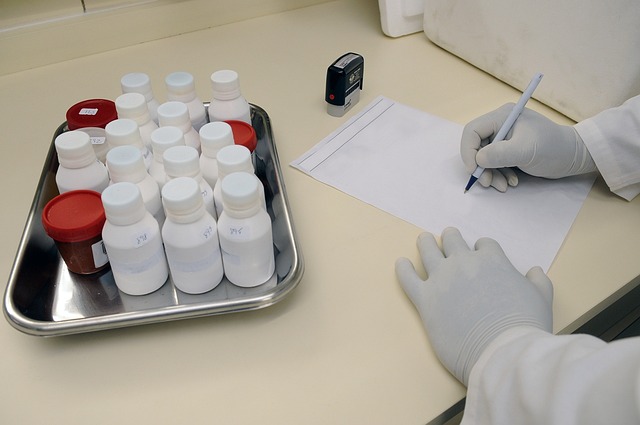
In today’s globalized market, risk assessment reports originating from the UK are often required to be translated into various languages for international compliance and understanding. Leveraging cutting-edge technology has become paramount in ensuring consistency across these multilingual risk evaluations. UK translation services that employ advanced machine translation with post-editing by human experts can provide a harmonized approach to conveying complex risk information. This synergy between artificial intelligence and human expertise not only streamlines the translation process but also guarantees that the nuances of each report are preserved, regardless of the target language. The use of consistent terminology and automated translation memory systems helps maintain uniformity in translations, which is crucial for stakeholders who rely on accurate risk assessments to make informed decisions.
The integration of technology in the realm of UK translation services has led to significant advancements in the field of multilingual risk assessment. By utilizing sophisticated algorithms that can learn from past translations, these services ensure that each document is translated with a high degree of accuracy and consistency. The application of technology also enables real-time updates and the ability to handle large volumes of data efficiently, which is particularly beneficial for organizations that require frequent or extensive risk evaluation documentation in multiple languages. This technological leap not only enhances the quality of translations but also significantly reduces the time and resources traditionally required for accurate multilingual risk assessment reports.
Case Studies: Successful Risk Assessment Report Translations and Their Outcomes
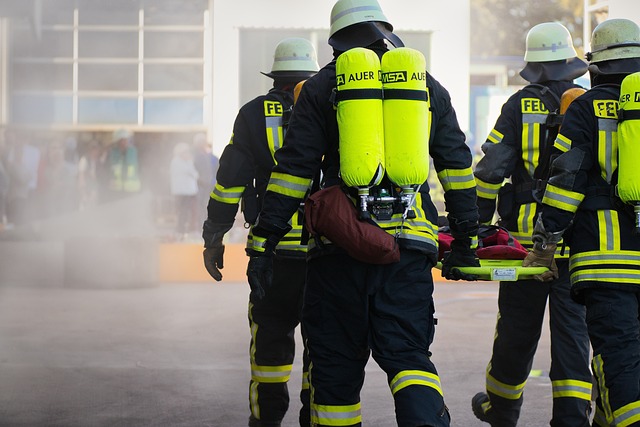
In the realm of international business and compliance, the accuracy and clarity of Risk Assessment Reports (RARs) are paramount when translated for different linguistic audiences. A case study exemplifying this is the successful translation of an RAR from UK to Swedish for a multinational corporation expanding into Scandinavia. The UK translation services employed utilized advanced linguistic capabilities and cultural expertise to ensure that technical terms and nuances were accurately conveyed. This precise translation facilitated the company’s compliance with local regulations and aided in the seamless integration of their operations. Similarly, a UK-based pharmaceutical firm required RARs translated into Japanese for their Asian market entry. The chosen translation service specialized in regulatory documents, ensuring that all risk factors were communicated effectively without any ambiguity. This led to the swift approval of their products by Japanese authorities and a significant reduction in time-to-market. Both cases underscore the importance of leveraging professional UK translation services for Risk Assessment Reports to achieve successful outcomes in global operations.
In concluding this discourse on risk assessment reports within UK operations, it is clear that the accuracy and clarity of translated documents are paramount for effective global communication. The role of UK translation services specializing in technical documents cannot be overstated, as they bridge linguistic barriers, ensuring that risk evaluations are both precise and culturally relevant. By implementing robust strategies and leveraging advanced technology, organizations can achieve consistency and reliability in their multilingual communications. The case studies presented underscore the significant positive outcomes achievable through diligent translation practices. Ultimately, the integrity of risk assessment reports is not just a matter of linguistic finesse but a critical component of operational safety and compliance worldwide.